Ir al contenido

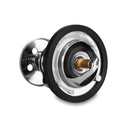
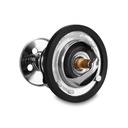
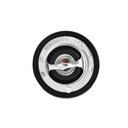
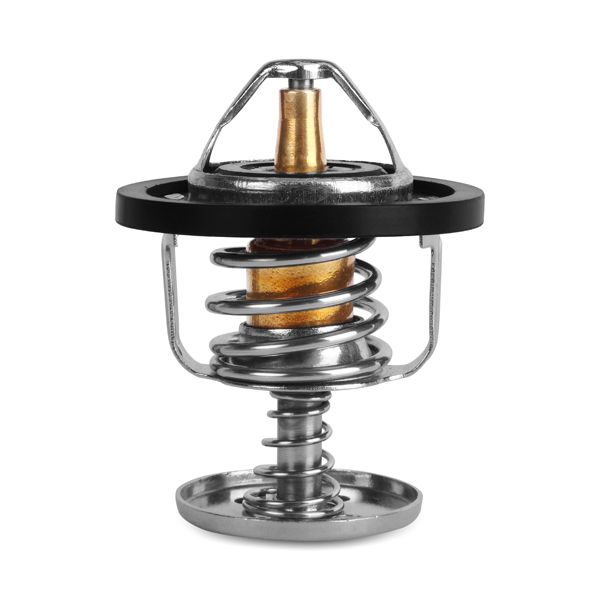
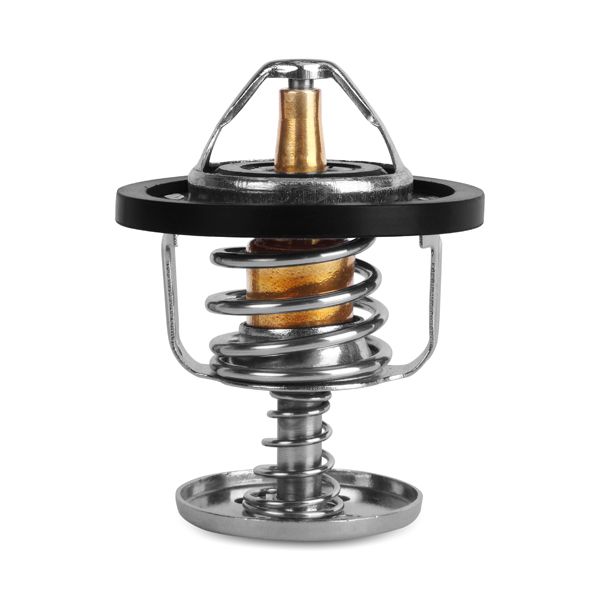
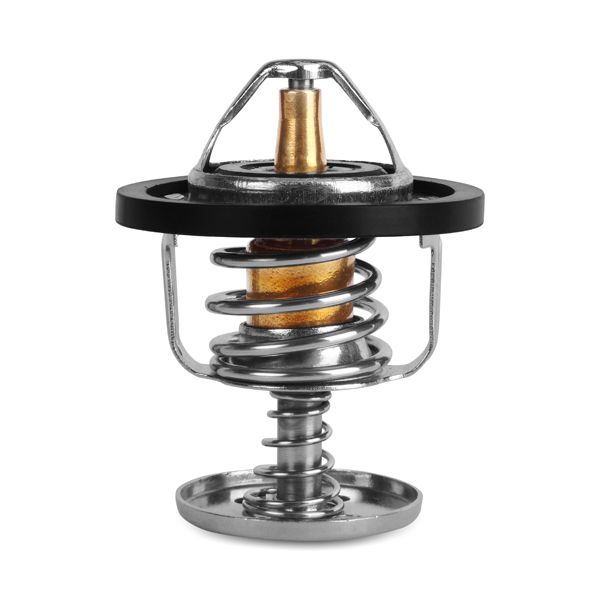
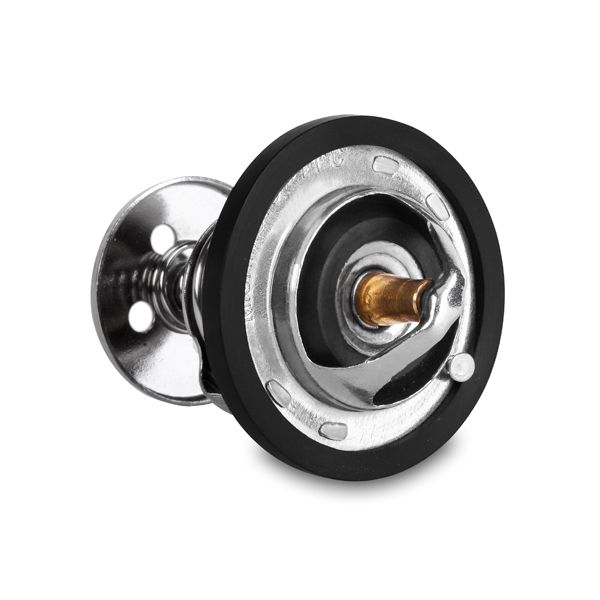
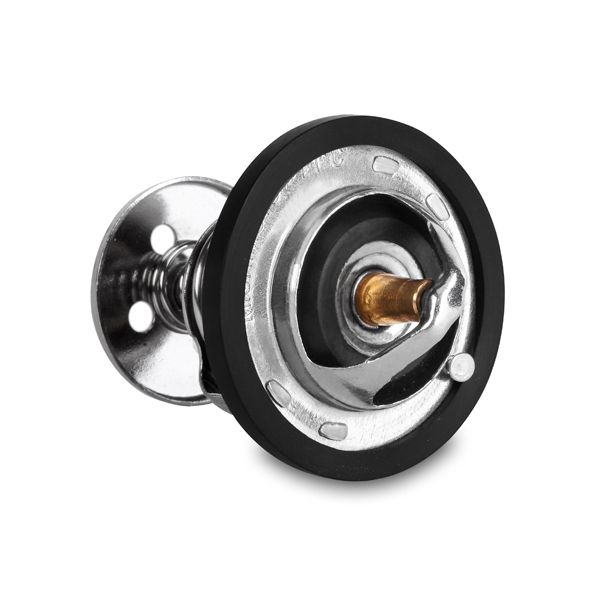
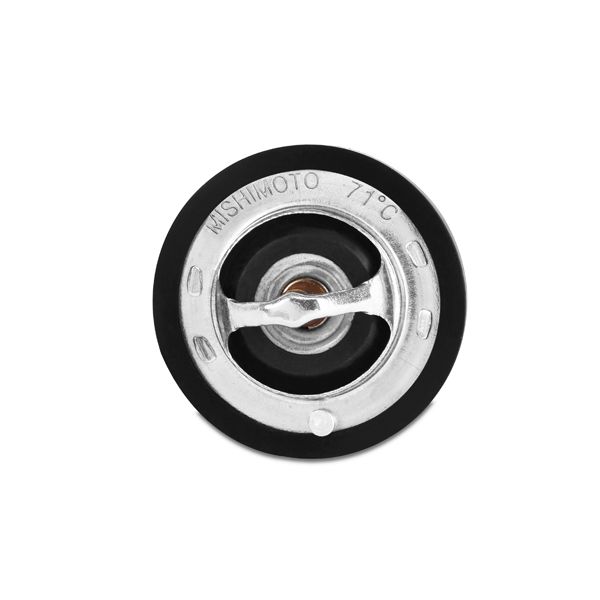
Mishimoto Chevrolet Camaro Racing Thermostat 1998-2002

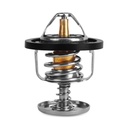
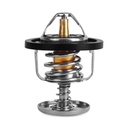
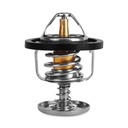
Chevrolet LSX engines achieve impressive power in both naturally aspirated and forced-induction forms.With added power comes increased heat that necessitates a reliable and efficient cooling system.Protect your vehicle from overheating by upgrading to the Mishimoto racing thermostat.This thermostat promotes greater cooling efficiency by significantly decreasing high engine temperatures.Once the engine is fully warmed up, the Mishimoto low-temperature racing thermostat will open at a lower temperature (160 F) compared to standard thermostats (186 F).This allows coolant to flow through the engine sooner, thus reducing and maintaining cooler engine temperatures.This is an ideal upgrade whether you drive your fourth-generation Camaro daily or take your GTO to the strip on the weekends.As with all our products, this thermostat includes the Mishimoto lifetime warranty.
Número de pieza: MMTS-VET-97L
69,70 € 69,70 € (impuesto incluido)

  • Marca
  • Engine Codes
  • Mishimoto Activation Temperature (F)
  • Empaquetado
Especificaciones del producto
Marca: Mishimoto
Engine Codes: 4.8L Vortec 4800--5.3L Vortec 5300--6.0L Vortec 6000--5.7L LS1--6.0L LS2--6.2L LS3--5.7L LS6--7.0L LS7--6.0L Vortec 6000--5.7L LS1--6.0L LS2--6.2L LS3--5.7L LS6--7.0L LS7
Mishimoto Activation Temperature (F): 160

Mishimoto


The World Leader in Performance Cooling

Founded in 2005 by automotive enthusiasts, for automotive enthusiasts, Mishimoto has spent two decades establishing itself as the global authority in performance cooling system upgrades. Headquartered in Garnet Valley, Pennsylvania, in a 68,000 sq. ft. facility, and supported by additional offices in Nevada, London, Shanghai, and Sydney, Mishimoto operates on a genuinely international scale, delivering cooling solutions across sport compact, muscle, truck, Jeep, powersports, and classic car markets.

Engineered with Precision, Tested to Prove It

Every Mishimoto product is developed entirely in-house using an advanced R&D process that includes 3D modelling, rapid prototyping, FARO laser scanning, ROMER Arm measurement, computational fluid dynamics analysis, and Dynapack and Dynojet dynamometer testing. This rigorous engineering approach ensures that each product delivers measurable improvements in thermal performance and fits cleanly with no modifications required, a direct-fit upgrade that makes an immediate and verifiable difference.