
Se rendre au contenu

Mishimoto Hyundai Genesis 4cyl Turbo Coupe Performance Alumi

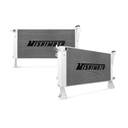
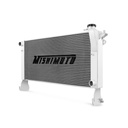
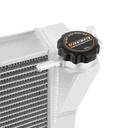
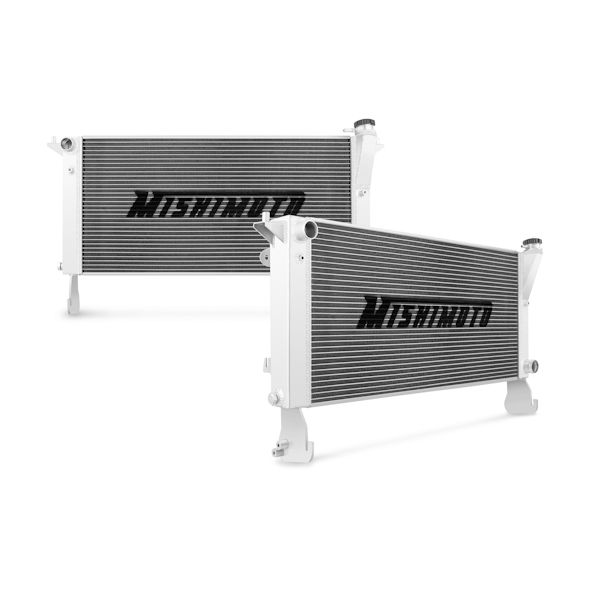
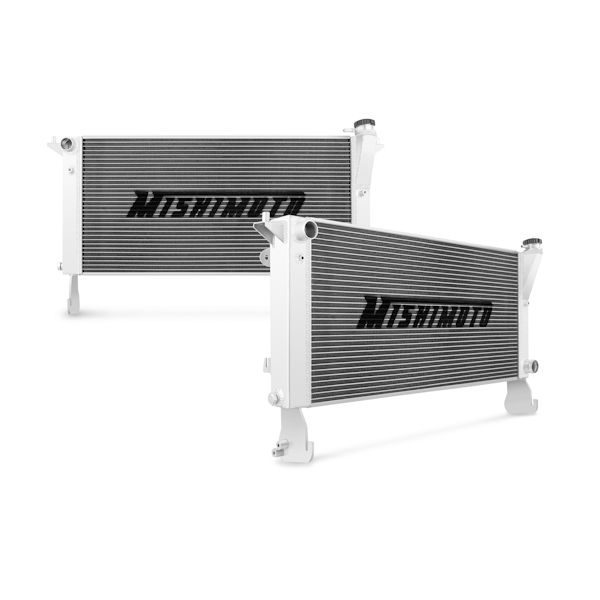
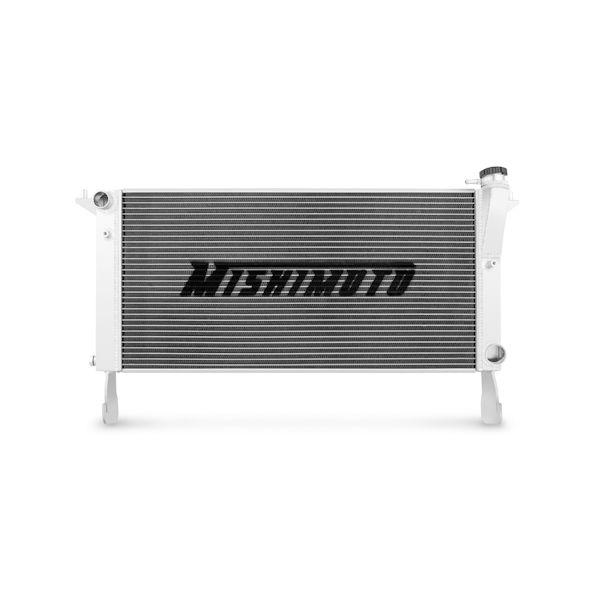
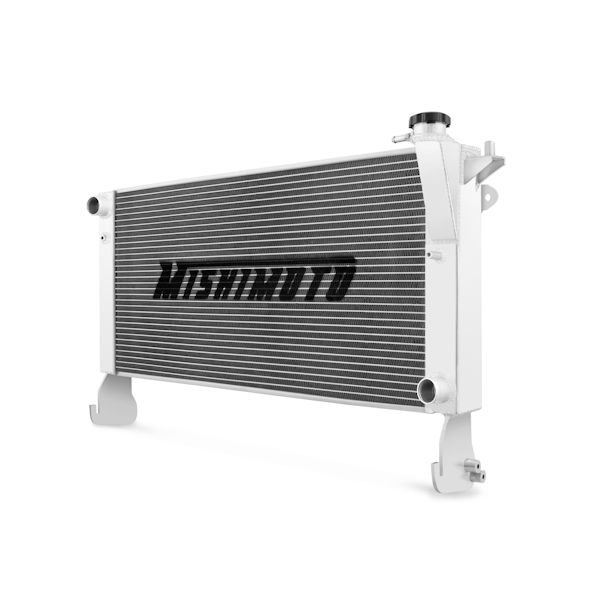
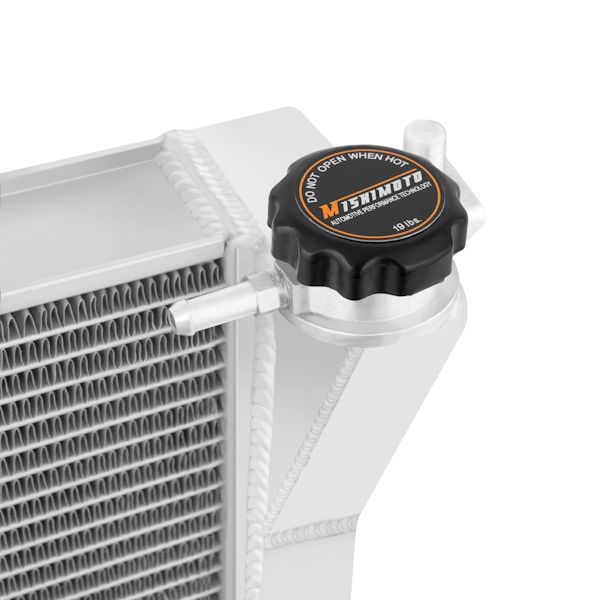
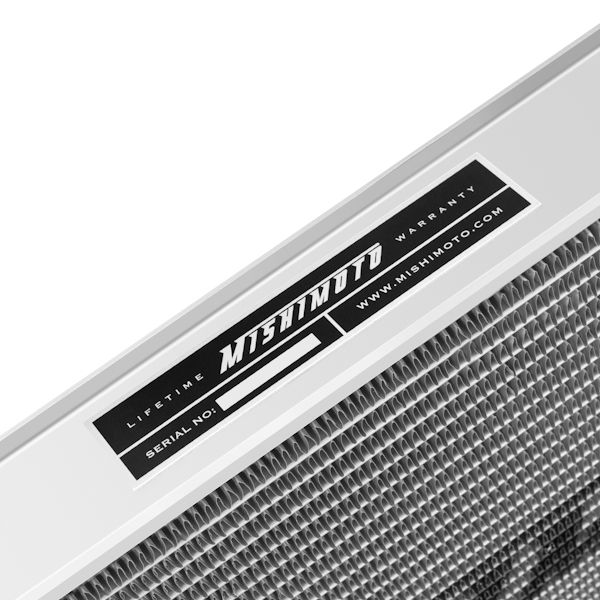
Mishimoto has developed a performance aluminum radiator available for the 2010-2012 Hyundai Genesis Coupe 2.0T. This is the ideal upgrade to your stock 2010-2012 Hyundai Genesis Coupe 2.0T radiator.Having a turbo set up produces a great amount of heat;by replacing your current 2010-2012 Hyundai Genesis Coupe 2.0T radiator with a top of the line Mishimoto performance aluminum radiator you will undoubtedly notice a cooler, more efficient running engine.The new application is specifically designed and engineered as a direct OEM fit with no modification required for easy installation.
Référence: MMRAD-GEN4-10
402,20 € 402,20 € (Toutes taxes comprises)

  • Marque
  • Core Thickness (mm)
  • DPI
  • Drain Plug Thread Size
  • Overall Length (cm)
  • Overall Width (cm)
  • Rows
  • Core Height (cm)
  • Core Length (cm)
  • Fluid Capacity (gal)
  • Inlet (mm)
  • Outlet (mm)
  • Overall Height (cm)
  • Type de matériau
  • Conditionnement
Spécifications du produit
Marque: Mishimoto
Core Thickness (mm): 50.04
DPI: 13120
Drain Plug Thread Size: M12 x 1.5
Overall Length (cm): 45.21
Overall Width (cm): 6.27
Rows: 2
Core Height (cm): 31.75
Core Length (cm): 64.77
Fluid Capacity (gal): 1.64
Inlet (mm): 35.56
Outlet (mm): 35.56
Overall Height (cm): 82.5
Type de matériau: Aluminum

Mishimoto


The World Leader in Performance Cooling

Founded in 2005 by automotive enthusiasts, for automotive enthusiasts, Mishimoto has spent two decades establishing itself as the global authority in performance cooling system upgrades. Headquartered in Garnet Valley, Pennsylvania, in a 68,000 sq. ft. facility, and supported by additional offices in Nevada, London, Shanghai, and Sydney, Mishimoto operates on a genuinely international scale, delivering cooling solutions across sport compact, muscle, truck, Jeep, powersports, and classic car markets.

Engineered with Precision, Tested to Prove It

Every Mishimoto product is developed entirely in-house using an advanced R&D process that includes 3D modelling, rapid prototyping, FARO laser scanning, ROMER Arm measurement, computational fluid dynamics analysis, and Dynapack and Dynojet dynamometer testing. This rigorous engineering approach ensures that each product delivers measurable improvements in thermal performance and fits cleanly with no modifications required, a direct-fit upgrade that makes an immediate and verifiable difference.